How to Improve Your Credit Score: Effective Strategies for Financial Success
Building a strong credit score is crucial for financial health. Consistently paying bills on time, reducing debt, and regularly checking your credit report can significantly improve your credit score over time. Understanding credit history and the factors that influence a score empowers individuals to take informed steps toward achieving better credit.
Many people underestimate the importance of their credit report, which reflects their financial behavior. By actively managing credit accounts and keeping credit utilization low, they can enhance their credit profile. Regularly reviewing credit reports for errors also provides an avenue to address inaccuracies that may negatively impact scores.
Improving a credit score requires commitment and attention to detail. With the right strategies, anyone can boost their credit standing, paving the way for more favorable loan terms and financial opportunities.
Understanding Your Credit Report
A credit report provides essential information regarding an individual’s credit history, presenting a key opportunity to identify areas for improvement. It includes data from credit bureaus, which are crucial for assessing creditworthiness.
Checking Your Credit Report
Accessing a credit report is straightforward. Individuals are entitled to one free report each year from each major credit bureau: Experian, TransUnion, and Equifax. They can obtain this information through the website annualcreditreport.com. It is wise to check for the report from each bureau, as discrepancies may exist between them.
When reviewing the report, individuals should take note of their personal information, credit accounts, payment history, and inquiries. Keeping track of these elements helps understand how they influence the overall credit score.
Interpreting the Credit Scores
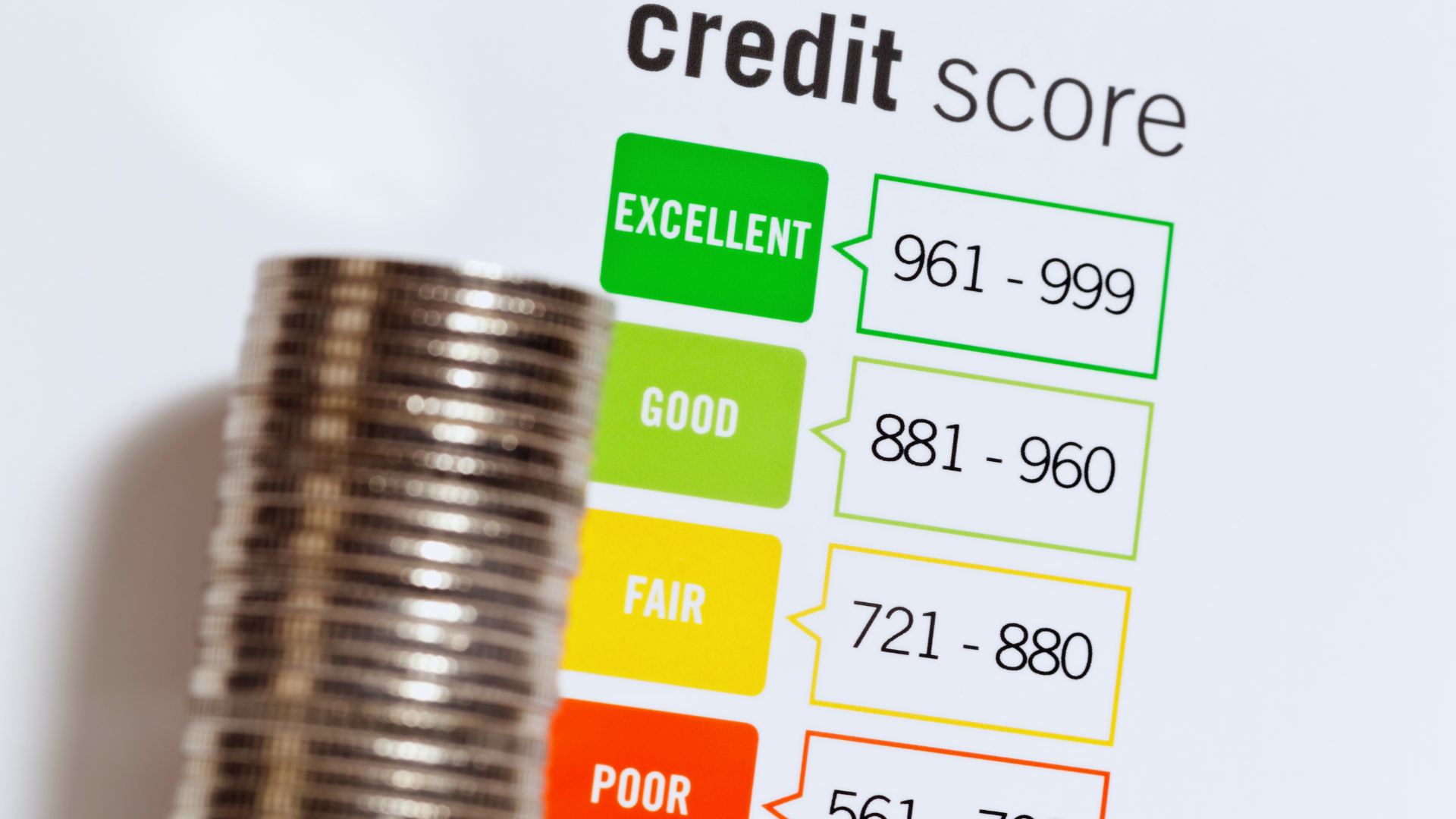
Credit scores range from 300 to 850 and reflect an individual’s creditworthiness. Each bureau has its scoring model, but they generally consider factors such as payment history, credit utilization, length of credit history, and types of credit.
A higher score indicates better credit health, which can lead to favorable loan terms and interest rates. It is important for individuals to be aware of the ranges: scores above 700 are typically viewed as good, while scores below 600 may present challenges in obtaining credit.
Identifying Errors and Discrepancies
Errors in credit reports can adversely affect credit scores. Common issues include incorrect personal information, accounts that do not belong to the individual, or inaccurate payment histories. Each report should be thoroughly reviewed to spot such discrepancies.
If an error is found, individuals can dispute it directly with the respective credit bureau. They will need to provide documentation to support their claims. Timely resolution is vital, as correcting inaccuracies can improve credit scores significantly. Regular monitoring can help prevent future issues.
Strategies for Credit Score Improvement
Improving a credit score involves several strategic actions that can yield significant benefits over time. Key elements include timely payments, managing debt effectively, understanding utilization rates, and diversifying credit types. Each aspect plays a crucial role in shaping credit profiles.
Making Payments On Time
Timely payments are critical for a good credit score. Payment history accounts for about 35% of a credit score, making it the most influential factor. He or she should set up reminders or automatic payments to ensure deadlines are met.
Late payments can stay on credit reports for up to seven years, negatively affecting scores. Therefore, consistently making at least the minimum payment on time is essential.
For those struggling, prioritizing debts with higher interest rates may also help. This strategy avoids penalties and improves overall financial health while contributing positively to creditworthiness.
Reducing Credit Card Debt
High credit card balances can significantly lower a credit score. Keeping credit card debt below 30% of the credit limit is a crucial guideline. Reducing outstanding balances improves credit utilization, another key factor in score calculation.
He or she can focus on paying down high-interest cards first. Alternatively, they can utilize the snowball method by targeting smaller balances for psychological benefits.
In case of overwhelming debt, considering a debt consolidation loan or working with a credit counselor may provide relief. These actions reflect a commitment to financial responsibility, which creditors favor.
Understanding Credit Utilization
Credit utilization measures how much available credit is being used. A lower percentage indicates better credit management. Ideally, he or she should aim to keep utilization rates below 30% for optimal credit scoring.
For instance, if a credit limit is $10,000, the balance should not exceed $3,000. Keeping balances low, even if paid off completely each month, can enhance scores.
When approaching new credit or major purchases, it’s wise to monitor this ratio. A sudden increase in credit utilization can temporarily lower scores, influencing loan approvals or interest rates.
Benefits of Diverse Credit Types
Having a mix of credit types can positively impact a credit score. It includes rotating credit, such as credit cards, and installment loans, like auto loans or mortgages. This diversity illustrates a borrower’s ability to manage various forms of debt.
For example, if he or she only has credit cards, adding a secured credit card may be beneficial. Being an authorized user on another’s account can also help build credit if payments are made on time.
However, one should avoid opening too many new accounts at once, as it can lower scores. Instead, gradually diversifying credit can demonstrate reliability to lenders over time.
Building a Strong Credit History
A strong credit history is essential for achieving a good credit score. Key factors include maintaining consistency in payments, practicing long-term financial habits, and understanding the impact of various credit types on one’s score.
Consistency in Credit Payments
Timely payments are a critical factor in building a solid credit history. Each on-time payment significantly boosts a credit score. Missed or late payments can damage credit standing and linger on reports for several years.
To maintain consistency, it is advisable to set up automatic payments. This minimizes the risk of forgetting due dates. Most lenders allow the option to create reminders or alerts, which can also help.
Additionally, paying more than the minimum amount on credit cards can further enhance credit scores. Establishing a pattern of responsible payments reflects positively in credit reports, demonstrating reliability to lenders.
Long-Term Financial Habits
Building strong credit requires more than just timely payments; it involves cultivating sound financial habits over time. Establishing a length of credit history is advantageous. A longer credit history shows creditors that the individual can manage credit responsibly.
Using a credit builder loan is an excellent strategy for those new to credit. These loans often require borrowers to make monthly payments that are reported to credit bureaus, fostering a positive payment history.
Maintaining old credit accounts, even if they are not used frequently, also contributes to a longer credit history. Canceling old accounts can shorten credit history and negatively impact the score.
The Impact of Different Types of Credit
Diverse credit types can play a significant role in enhancing a credit score. Having a mix of credit accounts, such as credit cards, a student loan, an auto loan, or a mortgage, showcases the ability to manage different responsibilities.
Credit scoring models often favor those who demonstrate competence across multiple credit types. For instance, managing both installment loans (like auto and student loans) and revolving credit (like credit cards) effectively can improve creditworthiness.
It is important to use credit wisely and avoid opening too many accounts at once. Too many inquiries can signal risk to lenders. Balancing various types of credit, while keeping payments consistent, builds a well-rounded credit profile.
Advanced Credit Management Techniques
Effective credit management can lead to substantial improvements in credit scores. Focused strategies can enhance one’s credit profile while keeping financial health in mind.
Utilizing Credit Limit Increases
Requesting a credit limit increase can have a positive impact on a credit score. When a credit limit goes up, the credit utilization ratio decreases, which is a key factor in FICO scores.
Key points to remember:
- A hard inquiry may be required during the request process, which can temporarily affect the score.
- Monitor credit utilization; ideally, it should remain below 30%.
- An increased limit provides more room to maneuver finances without maxing out cards.
Leveraging Low Interest Rates
Taking advantage of low interest rates can lead to significant savings over time. When personal loans or credit card balances carry lower rates, the total interest paid decreases.
Strategies include:
- Refinancing existing debts at lower rates. This can reduce monthly payments and total interest paid.
- Utilizing autopay options to avoid late fees and maintain good standing, positively affects credit scores.
- Aggressive debt repayment on high-interest accounts to minimize overall debt burden.
Innovative Tools for Credit Improvement
Several tools can aid in credit improvement. Examples include services like Experian Boost, which allows users to add positive payment histories to their credit reports.
Other useful tools:
- Credit monitoring services help track changes and alert users to potential identity theft.
- Setting up payment reminders can help prevent missed payments, thereby protecting FICO scores.
- Exploring secured credit cards can build a credit history for those with limited credit backgrounds.
Using these advanced techniques can lead to a significant enhancement in credit health.