How to Reduce Monthly Expenses Effectively Without Sacrificing Comfort
Reducing monthly expenses starts with understanding where your money goes and identifying non-essential costs. Tracking spending habits allows you to spot areas for cuts without sacrificing necessities.
Creating a budget and prioritizing needs over wants is the most effective way to lower your monthly expenses. Simple changes like negotiating bills, cooking at home, and canceling unused subscriptions can make a measurable difference.
This guide breaks down practical steps to help you control spending and build financial stability. Small adjustments lead to consistent savings and less financial stress.
Assessing Your Current Expenses
Reducing monthly expenses starts with a clear picture of where money goes each month. This involves detailed tracking, identifying unnecessary costs, carefully reviewing bills, and prioritizing spending based on financial goals.
Tracking Your Spending Habits
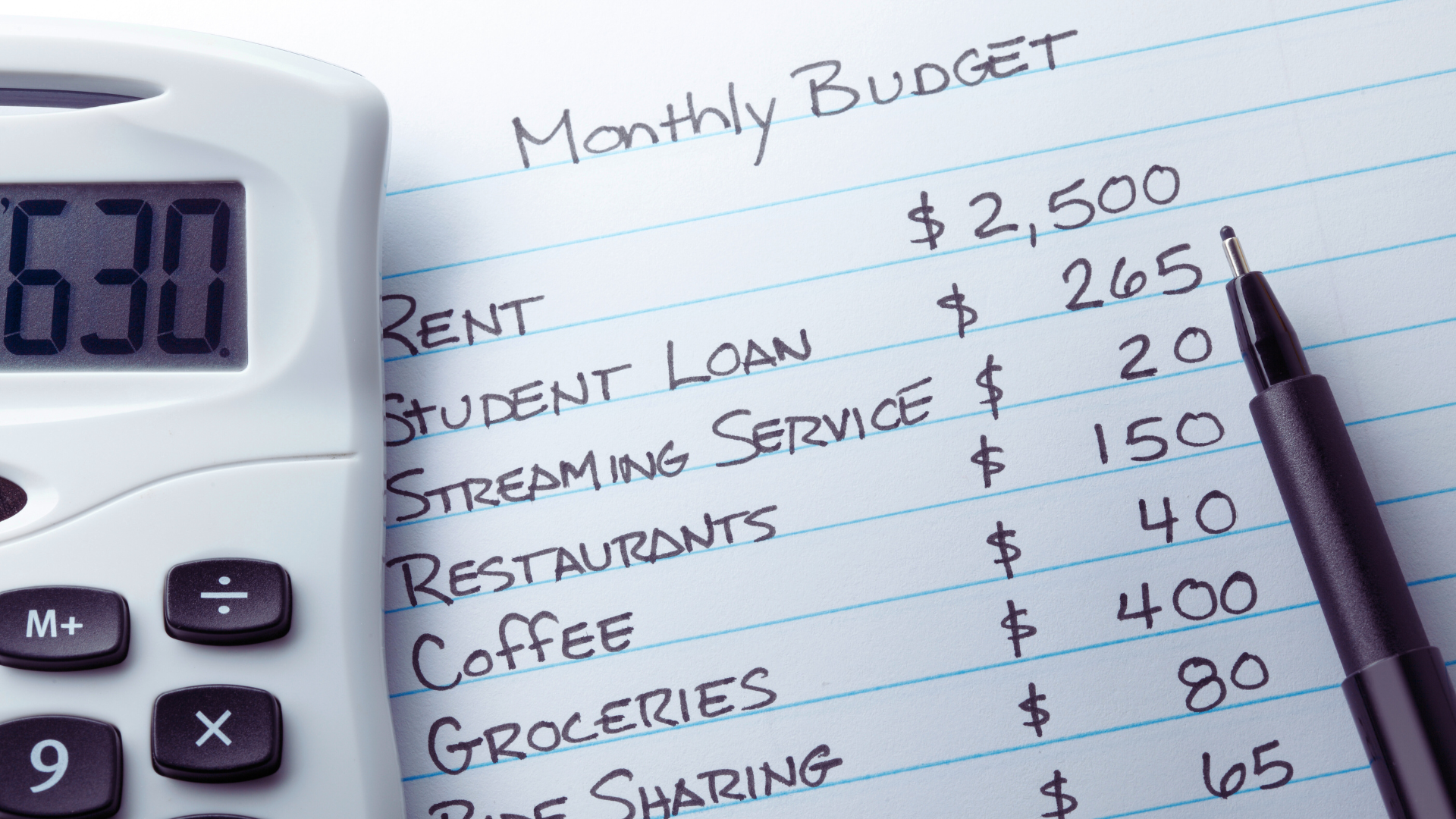
Begin by recording every expense for at least one month. Use budgeting apps, spreadsheets, or a simple notebook. Track all categories: groceries, transportation, entertainment, subscriptions, and incidentals.
Categorize expenses to see patterns and total amounts spent in each area. This helps spot frequent small purchases that add up. Regular tracking reveals the exact flow of money instead of relying on memory.
Review your records weekly to stay accurate and adjust where necessary. This step creates a foundation for informed decisions about cutting costs.
Identifying Non-Essential Costs
Focus on expenses that don’t impact daily living or well-being. Examples include unused subscriptions, frequent dining out, or impulse purchases. List all non-essential items you encounter in your tracked data.
Evaluate each for value and frequency. Could you cancel a streaming service used only once a week? Is it possible to reduce restaurant visits without affecting nutrition or social life?
Use this method to trim or eliminate discretionary purchases. It increases available funds without sacrificing essentials like housing or transportation.
Analyzing Monthly Bills
Gather all regular bills: utilities, phone, insurance, and loans. Review each line item carefully to understand fixed and variable costs.
Check for errors, outdated plans, or higher-than-expected charges. Contact providers to negotiate lower rates or consider switching to cheaper alternatives.
Look for energy usage spikes or data overages that could be reduced. Small adjustments in consumption habits can lower these bills significantly over time.
Understanding Financial Priorities
Clarify which expenses align with your top financial goals. Prioritize essentials like rent, groceries, and debt payments above luxury or convenience items.
Set clear limits for non-essential spending categories. It helps maintain balance between necessary expenses and discretionary pleasures.
Consider long-term objectives such as savings, investments, and emergency funds. Align monthly spending with these priorities to create sustainable financial health.
Creating a Sustainable Budget
Building a sustainable budget requires clear savings targets, precise allocation for essential costs, and consistent review. Each element ensures funds are managed effectively to avoid unnecessary spending or financial stress.
Setting Realistic Savings Goals
Start by determining specific savings amounts based on your monthly income and expenses. Avoid setting targets too high, which can cause frustration, or too low, which limits progress.
Use the SMART criteria: goals should be Specific, Measurable, Achievable, Relevant, and Time-bound. For example, save $200 per month for an emergency fund over 12 months.
Track savings progress monthly to adjust goals if needed. Prioritize emergency savings before discretionary spending to build a financial cushion. Automating transfers to a savings account can maintain consistency and reduce the temptation to spend.
Allocating Funds for Necessities
Identify monthly essential expenses like rent, utilities, groceries, transportation, and insurance. List these in order of priority to ensure critical bills are paid first.
Create a table to visualize allocations:
| Necessity | Monthly Cost ($) | Percentage of Income (%) |
| Rent/Mortgage | 1,000 | 30 |
| Utilities | 150 | 5 |
| Groceries | 300 | 9 |
| Transportation | 100 | 4 |
| Insurance | 200 | 6 |
Keep total necessary expenses below 50% of your income when possible. This frees room for savings and discretionary spending. Adjust amounts if expenses exceed income by negotiating bills or finding cheaper alternatives.
Reviewing the Budget Regularly
Review your budget monthly to identify changes in income or expenses and adjust accordingly. Look for patterns where spending exceeds plans, such as dining out or subscriptions.
Use budgeting apps or spreadsheets for accurate tracking. Set reminders to evaluate if savings goals are realistic given current cash flow.
Make necessary shifts quickly to prevent overspending or missed payments. For example, reduce discretionary expenses temporarily if unexpected costs arise. Regular review maintains budget discipline and supports long-term financial stability.
Reducing Household Costs
Effective ways to lower your monthly household expenses involve managing utilities, grocery spending, subscriptions, and home maintenance. Each area offers practical steps to minimize costs without sacrificing quality or comfort.
Cutting Utility Expenses
Reducing utility bills starts with knowing where most energy is used. Switching to LED bulbs, sealing windows and doors, and using programmable thermostats can drop heating and cooling costs by at least 10-15%.
Water savings come from fixing leaks, installing low-flow showerheads, and running dishwashers or laundry machines only with full loads. Unplugging devices and using energy-efficient appliances further cut electricity use.
Tracking your monthly consumption with smart meters or apps helps identify spikes. Comparing rates and switching to providers offering better energy deals also reduces bills.
Optimizing Grocery Shopping
Planning meals weekly prevents impulse buys and food waste. Create detailed shopping lists and stick to them to avoid unnecessary items.
Buy staples like rice, pasta, and canned goods in bulk. Use store loyalty programs and digital coupons to maximize savings.
Opt for seasonal fruits and vegetables, which are cheaper and fresher. Consider frozen or canned options when fresh produce prices are high, ensuring to check for added sugars or sodium.
Shopping at multiple stores for certain items can lower costs, but balance time spent with savings gained.
Lowering Subscription Fees
Review all active subscriptions monthly. Cancel services not regularly used, and combine streaming platforms where possible.
Many providers offer discounted bundles or yearly plans that save more than monthly payments. Look for student, military, or senior discounts.
For necessary subscriptions, check if family or group plans reduce individual fees. Be wary of automatic renewals and set reminders before renewal dates.
Regularly negotiating with customer service for lower rates can also yield discounts.
Saving on Home Maintenance
Routine maintenance prevents costly repairs. Clean gutters, change HVAC filters, and inspect roofs seasonally to avoid damage.
DIY repairs on minor issues like leaky faucets or cracked caulking save labor costs. Use online tutorials and purchase basic tools to handle small jobs safely.
Schedule annual professional inspections for critical systems like plumbing and electrical to catch problems early. Get multiple quotes for major repairs or upgrades to find competitive pricing.
Minimizing Transportation Expenses
Reducing transportation costs often involves reassessing daily travel choices, sharing rides, and keeping vehicles in good condition. These steps can lower fuel use, maintenance bills, and overall spending significantly.
Choosing Cost-Effective Commuting Options
Selecting the right mode of transportation depends on distance, convenience, and cost. Public transit, like buses and trains, is usually cheaper than driving, especially when monthly passes replace daily tickets. Walking or biking for short distances eliminates fuel and parking costs entirely.
Evaluate alternative options such as electric scooters or car rentals for occasional trips. These choices can save money when usage is infrequent. Consider combining methods, like biking to a transit station, to maximize savings and reduce reliance on a personal vehicle.
Carpooling and Ride-Sharing
Carpooling cuts fuel and parking expenses by sharing trips with others who travel the same route. Organizing a consistent schedule with coworkers or neighbors helps make commuting more predictable and affordable.
Ride-sharing apps offer flexible options for occasional trips, with costs split among passengers. Using these services reduces the need for owning multiple vehicles in a household. Always verify the total cost per passenger and compare it to solo driving expenses before committing.
Maintaining Your Vehicle Efficiently
Regular maintenance improves fuel efficiency and prevents costly repairs. Keep tires properly inflated, change oil on schedule, and replace air filters promptly to maintain optimal engine performance.
Tracking maintenance tasks with a log or app helps avoid missed services that could lead to breakdowns. Efficient driving habits, like smooth acceleration and avoiding idling, also extend vehicle life and reduce fuel consumption.
Managing Debt and Loan Payments
Carefully handling debt and loan payments can reduce monthly financial strain. This involves lowering interest costs and preventing late fees while establishing a predictable payment schedule.
Consolidating High-Interest Debts
Debt consolidation combines multiple high-interest debts into a single loan with a lower interest rate. This reduces the total interest paid each month and simplifies payments.
Common methods include personal loans or balance transfer credit cards. Personal loans often offer fixed interest rates and terms. Balance transfers can provide 0% APR periods, but watch for fees.
Benefits:
- Lower interest costs
- One monthly payment
- Easier budgeting
Important: Evaluate fees and repayment terms before consolidating to avoid extending debt duration unintentionally.
Refinancing Loans
Refinancing replaces an existing loan with a new one, usually at a lower interest rate or better terms. This is common with mortgages, auto loans, and student loans.
Lower rates reduce monthly payments and overall interest costs. Refinancing terms vary in length—extending may lower payments but increase total interest paid.
Check for application fees, closing costs, or penalties on your current loan before proceeding. Compare new offers carefully to ensure real savings.
Setting Up Automatic Payments
Automatic payments prevent missed or late payments, helping avoid fees and credit score damage. Most lenders provide this service for free.
Set payments on or just before the due date to keep your account in good standing. Monitor your bank balance regularly to ensure sufficient funds.
Advantages:
- On-time payments
- Reduced risk of late fees
- Improved credit reliability
Review payment amounts periodically, especially if you refinance or pay down debts, to adjust automatic payments accordingly.
Reducing Discretionary Spending
Cutting back on non-essential expenses can create significant savings each month. Small changes in daily habits and choices often lead to noticeable reductions in spending without major lifestyle sacrifices.
Limiting Dining Out
Eating out regularly adds up quickly. Preparing meals at home saves money and allows for healthier choices.
Plan weekly menus and grocery shop with a list to avoid impulse buys. Cooking larger portions and using leftovers cuts down cooking time and waste.
If dining out is necessary, choose affordable options or limit visits to special occasions. Tracking restaurant expenses helps identify how much can be reallocated to savings.
Avoiding Impulse Purchases
Impulse buys often undermine budgets quietly. Set a waiting period, like 24 hours, before buying non-essential items.
Create a budget and stick to it strictly for discretionary spending. Use shopping lists and avoid browsing without a goal to reduce temptation.
Consider removing saved payment details from online stores to add friction before purchases. Evaluate whether the item fits your needs or is just a fleeting desire.
Finding Free Entertainment Options
Entertainment costs can be reduced by exploring free or low-cost activities. Public parks, local libraries, and community events offer access to books, movies, and programs without fees.
Attend free workshops, concerts, or museums in your area. Take advantage of streaming services’ free trials instead of paying for multiple subscriptions.
Social activities at home, like game nights or potlucks, provide entertainment without extra spending. Focus on experiences that enhance well-being but require little or no money.
Saving on Insurance and Healthcare
Reducing costs in insurance and healthcare requires careful analysis of your current plans and options. Taking steps like comparing providers, selecting suitable health plans, and prioritizing preventative care can lead to meaningful savings.
Comparing Insurance Providers
Shop around and compare quotes from multiple insurance companies to find the best rates for your needs. Look at premiums, deductibles, copayments, and coverage limits side by side. Use online comparison tools or contact agents directly.
Consider bundling different types of insurance (auto, home, life) with one provider to potentially receive discounts. Review customer service ratings and claim processing times as these impact value, not just price.
Be aware of any penalties for canceling existing policies early. Switching insurers can save money but requires careful timing and paperwork to avoid gaps in coverage.
Evaluating Health Plan Options
Examine employer-sponsored and marketplace health insurance plans carefully. Focus on monthly premiums in relation to the deductible and out-of-pocket maximums.
If you use regular prescriptions or specialist visits, check that these services are covered affordably. Sometimes a higher premium plan with lower copays saves money overall.
Consider Health Savings Accounts (HSAs) if paired with high-deductible health plans. Contributions are tax-advantaged and can be used for qualified medical expenses, reducing taxable income.
Utilizing Preventive Care
Many health plans cover preventative services like vaccines, screenings, and annual check-ups at no cost. Using these services reduces the likelihood of costly health issues later.
Schedule regular health screenings to catch problems early. Manage chronic conditions with routine care rather than waiting for emergencies.
Adopt healthy lifestyle habits such as balanced nutrition, exercise, and smoking cessation. These changes lower medical needs, which cuts down healthcare spending over time.
Leveraging Technology for Savings
Technology offers practical tools to manage finances effectively, reduce unnecessary spending, and unlock cheaper options. These tools simplify tracking, paying, and finding savings opportunities automatically.
Using Budgeting Apps
Budgeting apps help track income, expenses, and spending habits in real time. Apps like Mint, YNAB (You Need A Budget), and EveryDollar categorize transactions automatically, highlighting areas where you can cut back.
Many apps send alerts when bills are due or when expenses exceed set limits. They also generate reports to visualize spending patterns, making it easier to stick to a budget.
Some apps link directly to bank accounts for seamless updates. This reduces manual entry errors and saves time in monitoring finances daily.
Automating Bill Payments
Setting up automatic payments for recurring bills prevents late fees and helps avoid interest charges. Most utilities, credit cards, and loan providers offer auto-pay options.
Automation ensures bills are paid on time without manual intervention, preserving credit scores and financial stability.
Additionally, some automated payment systems offer discounts or reward points. Check with your provider if such benefits are available.
Be sure to monitor your accounts regularly to avoid overdrafts or errors in billing when using automated payments.
Finding Online Discounts
Many websites and browser extensions aggregate coupons, promo codes, and cashback offers for online shopping. Services like Honey, Rakuten, and RetailMeNot automatically apply the best discounts at checkout.
Signing up for newsletters from favorite stores often gives access to exclusive sales or early notifications of deals.
Price comparison sites help identify the lowest available price for specific products or services. Use these to avoid overpaying, especially for big-ticket items.
Combining multiple discounts, like a coupon plus cashback, maximizes savings on routine or planned purchases.
Building Long-Term Financial Habits
Creating lasting financial habits is essential to consistently lowering monthly expenses. Start by tracking your spending every month. This simple action helps identify where money often leaks and highlights opportunities to save.
Consistency is key. Set a regular schedule to review your budget, such as once a week or monthly. This routine keeps your financial goals in view and helps prevent impulsive spending.
Automating savings or bill payments reduces missed deadlines and late fees. It also forces you to live within your means by allocating funds before discretionary spending.
| Habit | Benefit | Tip |
| Budget Review Weekly | Maintains spending awareness | Use apps with reminders |
| Automatic Bill Payment | Avoids late fees | Link to a checking account |
| Tracking Small Purchases | Identifies unnecessary spending | Use receipt apps or notes |
Focus on reducing recurring expenses like subscriptions and utility bills. Negotiate with service providers or switch to cheaper alternatives when possible.
Long-term change takes time, but improving small habits gradually lowers monthly expenses. Once these habits form, they help maintain financial stability with less effort.