Personal Finance Tips for Beginners to Build Strong Money Habits Quickly
Managing money effectively can feel overwhelming at the start, but it doesn’t have to be complicated. The key to strong personal finance is understanding your income, tracking your expenses, and setting clear financial goals. These basics create a foundation for better decision-making and financial stability.
Many beginners struggle with where to begin, but small changes can make a big difference. Learning to budget, reduce debt, and save consistently helps build confidence and control over your finances. This guide breaks down simple, practical tips anyone can apply immediately to improve their money management skills.
Understanding the Basics of Personal Finance
Personal finance involves managing your money through budgeting, saving, and investing. Building financial knowledge helps in making informed decisions and reaching specific monetary targets.
What is Personal Finance?
Personal finance refers to handling your income, expenses, savings, and investments wisely. It includes activities like budgeting, setting financial goals, managing debt, and planning for retirement.
At its core, personal finance is about making sure your money works for you. This means tracking your earnings and spending, creating a budget, and planning for future needs.
Key components include:
- Income management
- Expense control
- Saving strategies
- Investment planning
- Debt repayment
Understanding these basics helps avoid financial pitfalls like overspending or accumulating unnecessary debt.
Benefits of Financial Literacy
Financial literacy is knowing how money works and how to manage it effectively. People with financial literacy can create budgets, understand credit, and avoid common errors such as late payments or bad investments.
It promotes confidence in making decisions like purchasing a home or investing for retirement. Being financially literate reduces stress caused by money problems.
Essential benefits:
- Control over finances
- Ability to plan for emergencies
- Improved credit scores
- Better investment choices
This knowledge creates a foundation for financial stability and long-term wealth building.
Common Financial Goals
Setting goals gives direction to your financial planning. Common financial goals include paying off debt, building an emergency fund, buying a home, saving for retirement, and investing for growth.
Prioritizing goals depends on your personal situation and values. Short-term goals might focus on debt repayment, while long-term goals look toward retirement savings.
A clear goal plan often follows this structure:
| Goal Type | Example | Time Frame |
| Short-term | Pay off the credit card | 6-12 months |
| Medium-term | Save for a car | 1-3 years |
| Long-term | Retirement fund | 10+ years |
Clarity in financial goals improves focus and decision-making in managing your money.
Creating a Simple Budget
A practical budget lays out your income, expenses, and savings goals clearly. Understanding basic budgeting steps, common methods, and how to keep track of your money helps maintain control over your finances.
Steps to Build Your First Budget
Start by listing your monthly income sources, including salary, freelance work, and any passive income. Next, categorize your expenses into fixed costs (rent, utilities) and variable costs (groceries, entertainment).
Set spending limits for each category based on your income and financial goals. Prioritize essentials before allocating money for discretionary spending. Finally, review your budget regularly and adjust it to reflect changes in income or expenses.
Popular Budgeting Methods
The 50/30/20 Rule divides income into 50% needs, 30% wants, and 20% savings or debt repayment. It’s simple and flexible for beginners.
The Envelope System uses cash allotted to different spending categories, helping prevent overspending by limiting funds physically.
The Zero-Based Budget allocates every dollar of income to expenses or savings until nothing is left unassigned. This method requires more detailed tracking but promotes careful spending.
Tracking Your Income and Expenses
Keep a daily record of all income and expenditures using a spreadsheet, app, or notebook. Accurate tracking identifies spending patterns and highlights areas to cut costs.
Review your records weekly to compare actual spending against your budget. Adjust your budget if certain categories consistently vary. Consistent tracking builds awareness and helps maintain financial discipline.
Establishing Healthy Spending Habits
Building strong spending habits starts with clear distinctions about purchases and managing how money is spent. It involves understanding priorities, resisting unnecessary buys, and leveraging tools for better control.
Identifying Needs vs Wants
The first step is to classify items as needs or wants. Needs are essentials like rent, utilities, groceries, and transportation. Wants include dining out, entertainment, and non-essential clothes.
When budgeting, allocate money for needs first. Track spending to ensure essentials are covered. After covering needs, set limits for wants to avoid overspending.
Use a simple list to evaluate purchases:
| Category | Examples | Priority Level |
| Needs | Food, housing, bills | High |
| Wants | Gadgets, outings | Low |
This practice prevents confusing short-term desires with necessary expenses.
Avoiding Impulse Purchases
Impulse buying can quickly derail a budget. To control this, avoid shopping when emotional or stressed. Plan purchases ahead and wait 24 hours before buying non-essential items to evaluate their real value.
Keep a shopping list and stick to it. Limit exposure to advertisements and online promotions. Using a credit card with cashback rewards can backfire if spending isn’t controlled.
Setting spending alerts on your bank app helps monitor sudden expenses, acting as a deterrent for unplanned purchases. This step adds structure and reduces impulsive spending behaviors.
Using Cash and Digital Tools Wisely
Cash can limit spending since it’s finite. Withdraw a monthly budget amount for daily expenses to physically see money leaving your hands. This makes overspending more tangible.
Digital tools like budgeting apps provide detailed tracking and categorization of expenses. Use apps that sync with bank accounts for real-time updates. Some apps offer alerts when nearing budget limits or unusual activity.
Combine cash usage for small, everyday costs with digital tools for larger expenses. This balance enhances awareness and control over spending habits, reducing the risk of going over budget.
Building an Emergency Fund
An emergency fund is a crucial financial safety net. It provides quick access to money during unexpected events without relying on credit or loans.
Why Emergency Savings Matter
Emergency savings help cover unexpected expenses such as medical bills, car repairs, or job loss. Without this fund, you might need to use high-interest credit cards or loans, which create financial strain.
Having 3 to 6 months’ worth of living expenses saved is a common guideline. This amount ensures you can handle most disruptions without immediate income.
It also reduces stress by offering financial confidence during uncertain times. This fund prevents you from tapping into long-term investments or retirement savings.
Setting Achievable Savings Goals
Start small by setting a realistic initial target, like $500 or $1,000. Build from there by contributing a fixed amount monthly, even if it’s just $50 or $100.
Use a budget to identify where to trim discretionary spending. Automate transfers to your emergency fund to maintain consistency.
Adjust your goal based on your job stability, monthly expenses, and family situation. Keep in mind, emergency savings should be liquid and easily accessible.
Best Places to Keep Emergency Money
Your emergency fund should be in accounts with easy access and low risk. Consider savings accounts, money market accounts, or short-term CDs.
High-yield savings accounts are ideal because they earn more interest while remaining liquid. Avoid investing this money in stocks or long-term bonds due to market volatility.
Ensure the account is FDIC insured (or equivalent). This protects your money up to a certain limit, usually $250,000 per depositor, per institution.
| Account Type | Liquidity | Interest Rate | Risk |
| High-Yield Savings | Immediate | Moderate | Very Low |
| Money Market Account | Immediate | Moderate | Very Low |
| Short-Term CDs | Fixed term (months) | Higher than savings | Very Low |
| Checking Account | Immediate | Low or none | Very Low |
Managing Debt Responsibly
Handling debt requires clear knowledge of what types of debt exist, practical ways to reduce what you owe, and understanding pitfalls that can worsen your financial situation. Focusing on these elements helps maintain control over your finances and avoid unnecessary expenses.
Understanding Different Types of Debt
Debt can be divided mainly into secured and unsecured types. Secured debt, like mortgages and auto loans, is backed by collateral, meaning the lender can take your asset if you default. Unsecured debt includes credit cards and personal loans, which have higher interest rates due to increased risk for lenders.
Interest rates and repayment terms vary widely between debts. For example, credit card debt often carries rates above 15%, while a home loan might have rates below 5%. Knowing these differences helps prioritize payments and minimize costly interest charges.
Strategies to Pay Down Debt
A common approach to reducing debt is the debt avalanche method, where you pay off debts with the highest interest rates first. This saves money on interest over time. Alternatively, the debt snowball method focuses on paying smaller balances first to build momentum through quick wins.
Making more than minimum payments speeds up payoff time. Automating payments avoids late fees. Tracking spending and reallocating funds toward debt can also free up money to accelerate repayment schedules.
Avoiding Common Debt Traps
High-interest payday loans and cash advances often carry fees that escalate debt quickly. Avoid borrowing more to pay off existing debt, which creates a cycle of borrowing.
Using credit responsibly means not maxing out cards and keeping debt-to-credit ratios low, ideally below 30%. Watch for unnecessary fees like over-limit or late charges and set alerts to stay within limits.
Smart Approaches to Saving and Investing
Effective saving and investing require clear planning and understanding of how your money grows over time. Prioritizing emergency funds, selecting suitable investment options, and leveraging compound interest can create a strong financial foundation.
Introduction to Saving Strategies
Start by building an emergency fund equal to three to six months of essential expenses. This fund helps cover unexpected costs and prevents debt accumulation.
Use budgeting tools to track income and expenses. Automate savings by setting up regular transfers to a high-yield savings account, which offers better interest than traditional accounts.
Focus on reducing high-interest debt before allocating money to investments. Saving consistently, even small amounts, creates discipline and adds up over time.
Getting Started with Investing
Begin investing once an emergency fund is in place and high-interest debts are managed. Consider low-cost, diversified options like index funds or ETFs, which spread risk across many assets.
Assess your risk tolerance by age and financial goals. Younger investors can typically afford higher risk for greater potential returns, while older investors may prefer more conservative choices.
Use tax-advantaged accounts such as IRAs or 401(k)s to improve returns through tax savings. Keep fees and expenses low to maximize investment growth.
The Power of Compound Interest
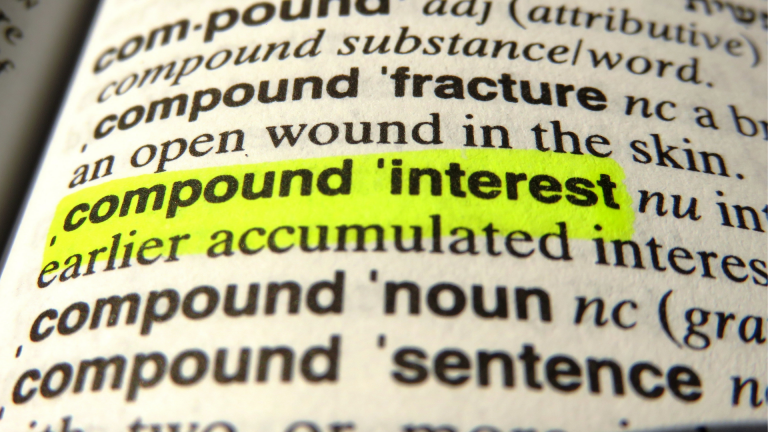
Compound interest means earning interest on both your original investment and the accumulated interest. This effect accelerates growth over time.
Starting early increases benefits because gains accumulate exponentially. For example, $1,000 invested at 7% annually grows to about $2,000 in 10 years but nearly $15,000 in 50 years.
Reinvest dividends and interest to boost compounding. Even small, regular contributions benefit from compound growth over the long term.
Protecting Your Financial Information
Keeping your financial information safe requires awareness of common scams and strong security habits. Understanding how fraud works and building secure passwords are essential steps to protect your money and identity.
Recognizing and Preventing Fraud
Financial fraud often begins with seemingly harmless emails, texts, or phone calls. Be cautious of unsolicited requests asking for personal details such as Social Security numbers, bank accounts, or passwords.
Common fraud types include phishing, where attackers impersonate trusted institutions to steal data. Always verify the sender’s contact information independently before responding or clicking on links. Look for red flags like poor spelling, urgent language, or suspicious URLs.
Regularly review bank and credit card statements for unauthorized transactions. Reporting suspicious activity quickly can prevent further losses. Use credit monitoring services to receive alerts about unusual credit inquiries or new accounts.
Importance of Secure Passwords
Strong passwords are the first line of defense against unauthorized access. Use a combination of uppercase and lowercase letters, numbers, and special characters. Avoid easily guessable information such as birthdays or common words.
Password managers help generate and store complex passwords securely. Never reuse the same password across multiple financial accounts. Change passwords immediately if a data breach occurs.
Enable two-factor authentication (2FA) whenever possible. This requires a second verification step, such as a text message code, adding an extra layer of protection beyond just the password.
Planning for the Future
Effective financial planning requires identifying clear objectives and understanding how to prepare for long-term financial security. Prioritizing well-defined goals and starting retirement planning early helps build wealth steadily.
Setting Long-Term Financial Goals
Begin by defining specific, measurable goals such as buying a home, funding education, or creating an emergency fund. Assign timelines and dollar amounts to each goal to track progress clearly.
SMART goals (Specific, Measurable, Achievable, Relevant, Time-bound) work well here. For example:
| Goal | Amount Needed | Target Date |
| Down payment on a home | $30,000 | 5 years |
| Emergency fund | $10,000 | 2 years |
Break large goals into smaller savings milestones. Regular contributions, even if modest, compound over time and accelerate progress. Revisit and adjust goals annually to reflect life changes or shifts in priorities.
Preparing for Retirement Early
Start contributing to retirement accounts as soon as possible, even if only a small amount each month. Interest and investment returns grow significantly with time.
Maximize employer-sponsored plans like 401(k)s, especially if they offer matching contributions. Consider opening an IRA if your employer plan is unavailable or limited.
Regularly increase your contributions, aiming for 10-15% of your income. Track your retirement savings with tools or apps to ensure you stay on target. Early preparation avoids financial stress later and enhances your retirement quality.
Continued Learning and Financial Resources
Building strong financial habits requires ongoing effort and reliable resources. Access to accurate information and tools helps maintain progress and adapt to changes in the financial landscape.
Staying Updated on Finance Trends
Financial markets and regulations change frequently. Following reputable sources like The Wall Street Journal, Investopedia, and government websites ensures access to current information.
Podcasts such as The Dave Ramsey Show or Planet Money provide practical insights. Engaging with financial news through apps like Bloomberg or CNBC helps track market movements and economic indicators in real time.
Subscribing to email newsletters from trusted financial advisors or institutions can deliver tailored advice. Social media accounts of well-regarded economists or financial educators offer brief updates and tips.
Recommended Personal Finance Tools
Using the right tools makes budgeting, saving, and investing simpler. Apps like Mint and YNAB (You Need a Budget) track expenses and categorize spending automatically.
For investing, platforms such as Vanguard and Fidelity offer user-friendly interfaces and educational resources. Robo-advisors like Betterment help beginners invest with minimal effort and low fees.
Spreadsheets or services like Google Sheets can be customized for personal money management. Combining educational content with practical software improves financial discipline and decision-making.